

Essential Infomation
-
Attribute 1 Lorem Ipsum
-
Attribute 2 Lorem Ipsum
-
Attribute 3 Lorem Ipsum
-
Attribute 4 Lorem Ipsum
The Palace of the Parliament (People’s Palace) is a colossal building, second place in the world, after the Pentagon, surface of 330.000mp and the third as volume with 2.550.000 m3.
With a height of 84m, divided into 12 floors on the surface and another 8 underground, the palace includes vast halls, long corridors, countless huge rooms, all decorated with monumental sculptures, gilded plasterwork, lace ceilings , brocades, tapestries and heavy carpets, of which the most sumptuous room – the Union room – has 2200 m2, a capacity of 1000 seats, lit by a candelabra with 7000 bulbs, weighing 3 tons.
The palace was erected between 1984 and 1989 on the Spirii hill. The building now houses the Parliament, the International Conference Center and the National Museum of Contemporary Art.
The Village Museum is an open-air ethnographic museum, spread over the shores of Lake Herastrau, over fifteen hectares. You can see there about 300 traditional houses and farm buildings, dating from the 17th-19th centuries, originating from different regions of Romania.
The Cotroceni Palace. In 1888 Crown Prince Ferdinand decided to build his residence in place of the old Bucharest Cotroceni monastery. This princely residence was transformed in 1893, the Cotroceni palace was born. This building combines the French electric style and neo-Romanian.
The location was chosen for the young couple Ferdinand of Hohenzollern Marie of Saxe-Coburg Gotha, niece of Queen Victoria, was justified by the fact that for almost 200 years Cotroceni had served as a residence for Romanian princes. The initial construction project was designed by the French architect Paul Cottereau. Later, the Romanian Gheorges Cerchez added a series of local elements to this building. The Cotroceni Palace reveals its sumptuousness from the entrance. The monumental staircase surrounded by large galleries in the French neo-baroque style is reminiscent of the Opéra Garnier in Paris, which served as its model.
The most representative rooms are on the first floor, the dining room or dominates the neo-renaissance and the king’s library, designed in Henry II style. The flower room, whose architectural decoration is built on the motif of a floral garland, is the place where Queen Mary wrote her fairy tales for children. On the second floor are the apartments, the queen’s bedroom decorated in Tudor style, impresses with the abundant use of woodwork, like the small Norwegian lounge, a true masterpiece of wood carving.
After 1977 the palace was used by former dictator Nicolae Ceausescu as a guesthouse. Since 1991 the Palace has become the official residence of the President of the Romanian Republic.
For more than twenty years after the 1989 revolution, Bucharest has undergone profound social, cultural and economic changes. The capital of Romania, today presents visitors with a wide choice of restaurants, bars, hotels of all classes, casinos, nightclubs and music clubs, but is also a place for major concerts (like Madonna’s in 2009), cultural festivals (the George Enescu festival – every year) and international meetings of large companies and also of the presidents of the world (Summit Nato 2008).
See Transylvania with Ciao Romania
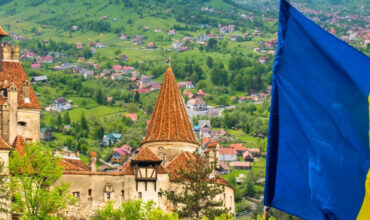
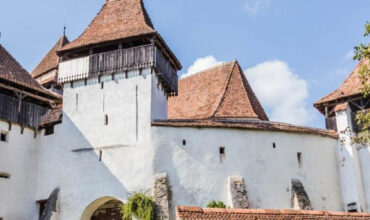
Medieval Transylvania Tour
Transylvania provides for any visitor an unparalleled chance to go …
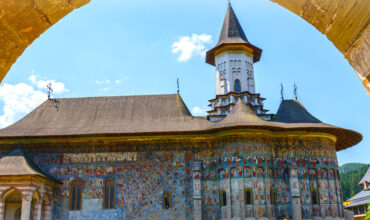
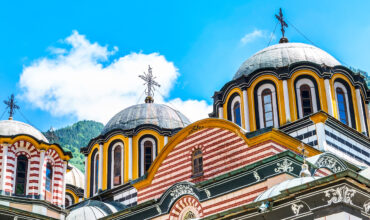
Cultural Bulgaria and Romania Tour
This tour offers a perfect blend of urban exploration, historical …
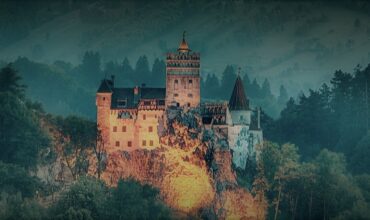
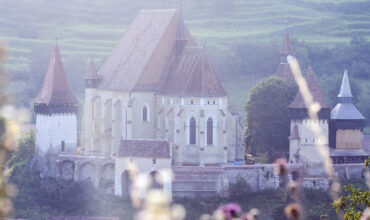
Uniquely Romania Tour
From the medieval castles in Transylvania to the painted monasteries …
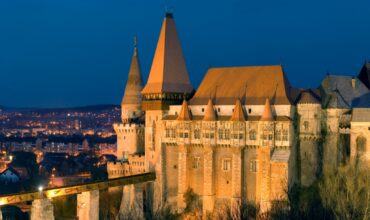
Castles tour in the Carpathians
Lorem ipsum dolor sit amet, consectetur adipiscing elit. Mauris …
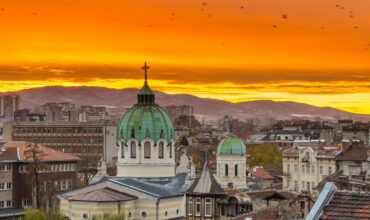
Bucharest – Sofia Cultural Tour
Lorem ipsum dolor sit amet, consectetur adipiscing elit. Mauris …
Unesco Bulgaria and Romania Tour
Lorem ipsum dolor sit amet, consectetur adipiscing elit. Mauris …