

Essential Infomation
-
Attribute 1 Lorem Ipsum
-
Attribute 2 Lorem Ipsum
-
Attribute 3 Lorem Ipsum
-
Attribute 4 Lorem Ipsum
A little history
Timisoara is also the city of freedom, which in December 1989 became the first communism free city in Romania. In the past Timisoara was one of the matters of dispute between the Ottoman and the Habsburg Empires. The Ottoman writer Mustafa Gelaldzade called Timisoara “the most important powerful fortress in Transylvania wanted by all Sultans”
In the 16th century the fortress was conquered and the Banat region was turned into an Ottoman “pasalac” .In the 18th the Austrian troops conquered the Ottoman fortress and thus the region became a province of the Habsburg Empire. Timisoara developed afterwards being influenced by Vienna and becoming a powerful center. After 200 years of Habsburg occupation in 1919 the Romanian army entered Timisoara and the Banat was united to Big Romania.
Timisoara is also the city where the anti-communism Revolution of December 1918 started which led to the downfall of Nicolae Ceausescu and the communist regime in Romania.
Timisoara today
Timisoara is the city of multiculturalism. Twenty nine ethnical minorities and seventeen religious groups live in Timisoara. Situted between the East and the West at the border of two civilizations , it has always been a melting pot of cultures.
The Cetate District , the city center, has always been the heart of the city, descendant of the military fortress built in the 18th century. There are three urban squares, each with its architectural styles.
Libertatii Square is the oldest , with its lovely aspect with some fine baroque buildings and monuments like St Mary and St Nepomuk Monument, the Former Town Hall, the Military Casino.
The Unirii Square is the most charming, with the largest ensemble of Baroque architecture in the city. The most important buildings are the two cathedrals Roman Catolic and Serbian Orthodox, the Baroque Palace and the Holy Trinity Monument. For three centuries this square was the place of religious events, military parades, political and cultural events.
Victoria Square is the newest one, formed at the beginning of 20th century on the grounds of the former fortress. The N and S sides are flanked by the imposing buildings of the Metropolitan and the Cultural Palace while the middle is dominated by the green area with beautiful flower arrangements.
Fabric District was around 1850 the district of middle-class people living in Timisoara. Everything was influenced by the Bega River and not only. Several old, natural river branches were left here intentionally not canalized in order to set the small industry that began to emerge here in the 18th century, especially the dozens of mills. Fabric developed as a suburb outside the fortress but not close to it as the limit of 950 meters required by the military administration of the city of Timisoara had to be kept. Many Secession buildings were built here between 1880 until 1910: Decebal Bridge, Neptune Baths, Szekely Palace, Millenium Church etc
Iosefin and Elisabetin District emerged south of the Cetate district on the site of former gardens under a lease. It was a district with isolated houses until the 18th century but when steam power is introduced in the city the developments starts with the city’s railway station and port that were there. Many architectural jewels appear: The House with Peacocks and Owls, St Many Monument, The Iron Bridge, the Catholic Church etc
Today Timisoara is a powerful cultural center deserving to be discovered, in 2023 when it will be the European capital of culture but not only. The cultural events that will be organized during the whole year will transform your visit into a memorable experience.
See Transylvania with Ciao Romania
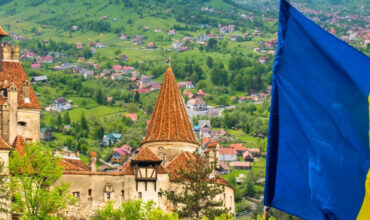
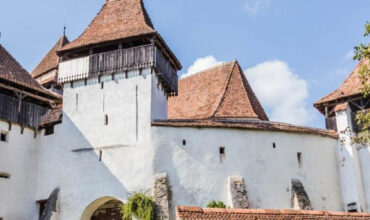
Medieval Transylvania Tour
Transylvania provides for any visitor an unparalleled chance to go …
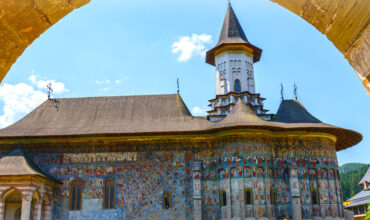
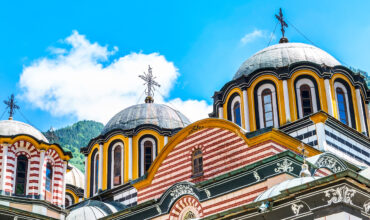
Cultural Bulgaria and Romania Tour
This tour offers a perfect blend of urban exploration, historical …
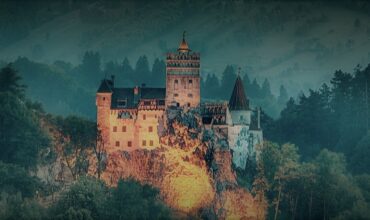
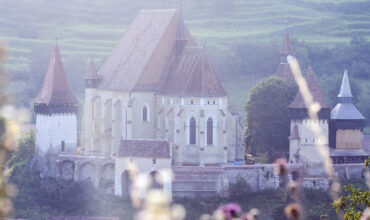
Uniquely Romania Tour
From the medieval castles in Transylvania to the painted monasteries …
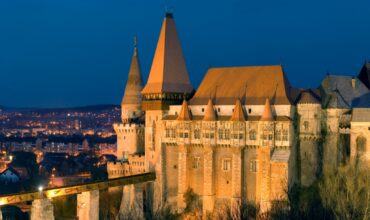
Castles tour in the Carpathians
Lorem ipsum dolor sit amet, consectetur adipiscing elit. Mauris …
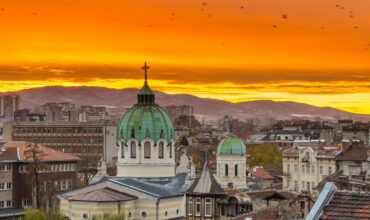
Bucharest – Sofia Cultural Tour
Lorem ipsum dolor sit amet, consectetur adipiscing elit. Mauris …
Unesco Bulgaria and Romania Tour
Lorem ipsum dolor sit amet, consectetur adipiscing elit. Mauris …